(1895–1965)
California is a land of dreamers. Some come chasing gold, others chasing light, and some come with only the strength of their hands or the sharpness of their eyes. Dorothea Lange came west with a camera and a restless spirit, and from the moment she set foot in San Francisco in 1918, California became the canvas on which she painted the truth of America.
Who Was Dorothea Lange?
Born in 1895 in Hoboken, New Jersey, Lange grew up with hardship. At age seven she contracted polio, leaving her with a permanent limp, something she later credited with shaping her empathy and patience for those living on the margins. After training in photography in New York City, she set off to see the world. She never made it past San Francisco. Instead, she built a portrait studio on Sutter Street and made a name for herself among the city’s wealthy families.
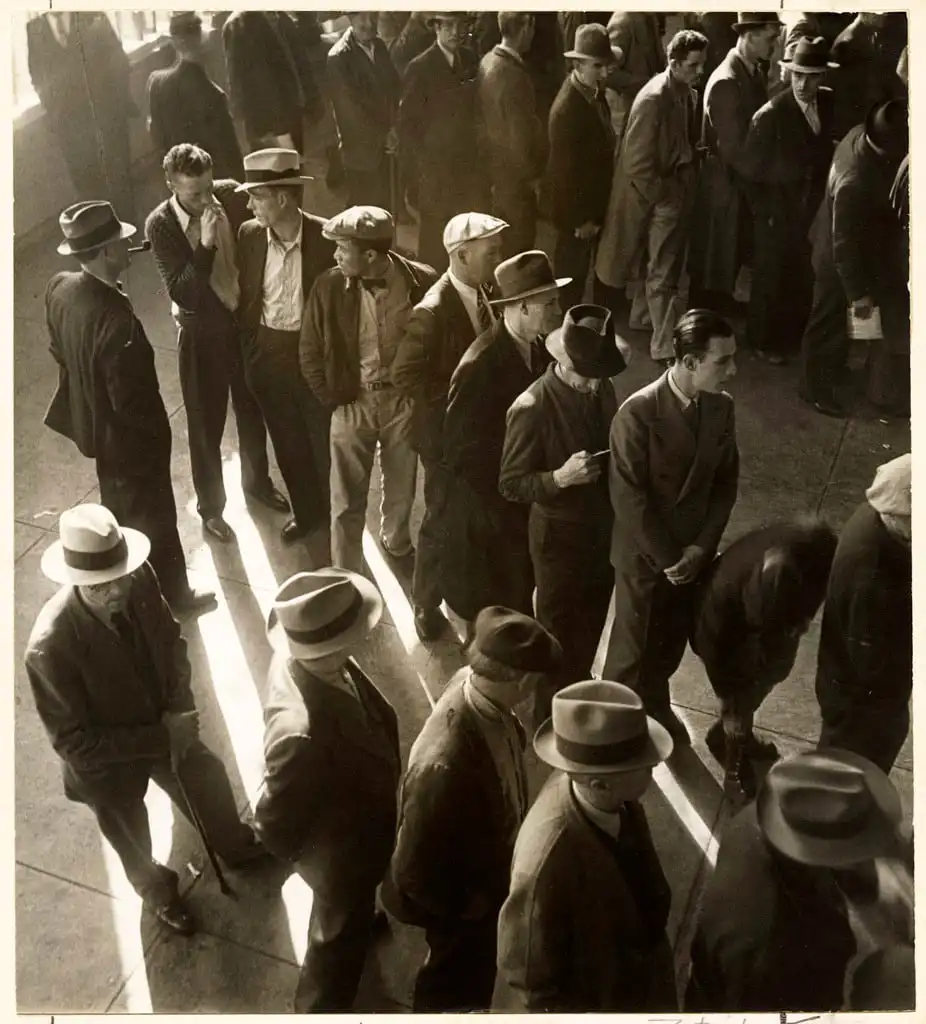
Yet Lange wasn’t satisfied photographing silk and satin. She saw what was happening on the streets outside her studio doors—the breadlines, the workers without work, the great tide of humanity brought low by the Great Depression. And she knew her camera could tell their story.
The Great Depression and “Migrant Mother”
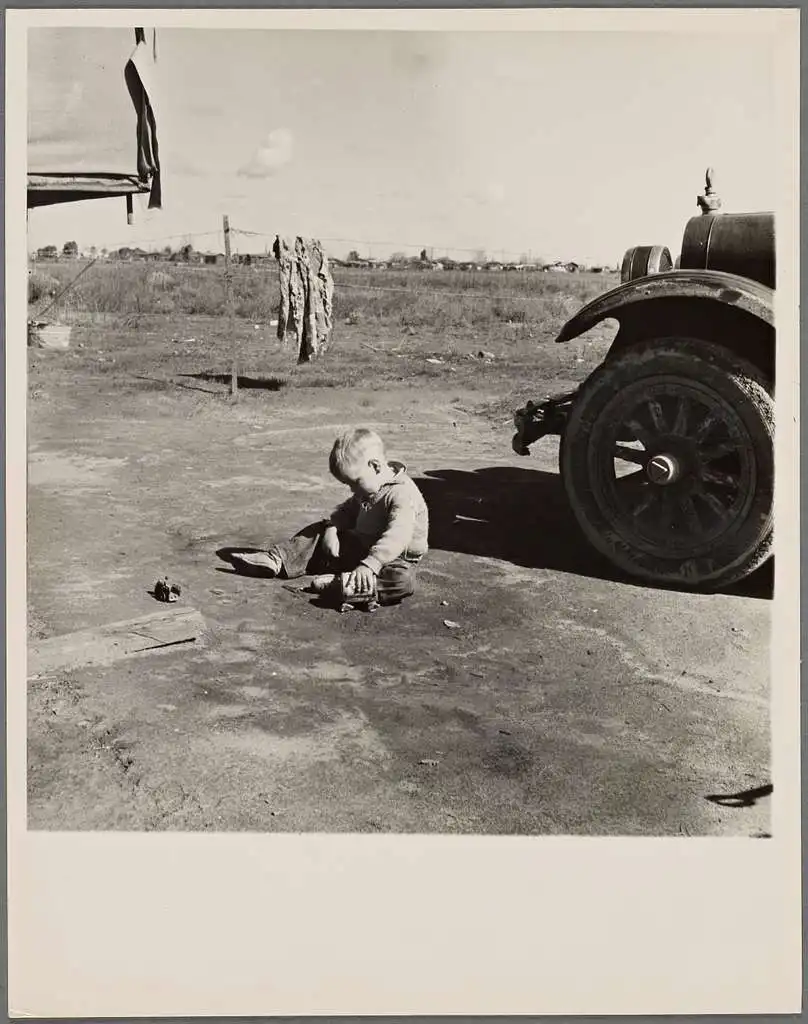
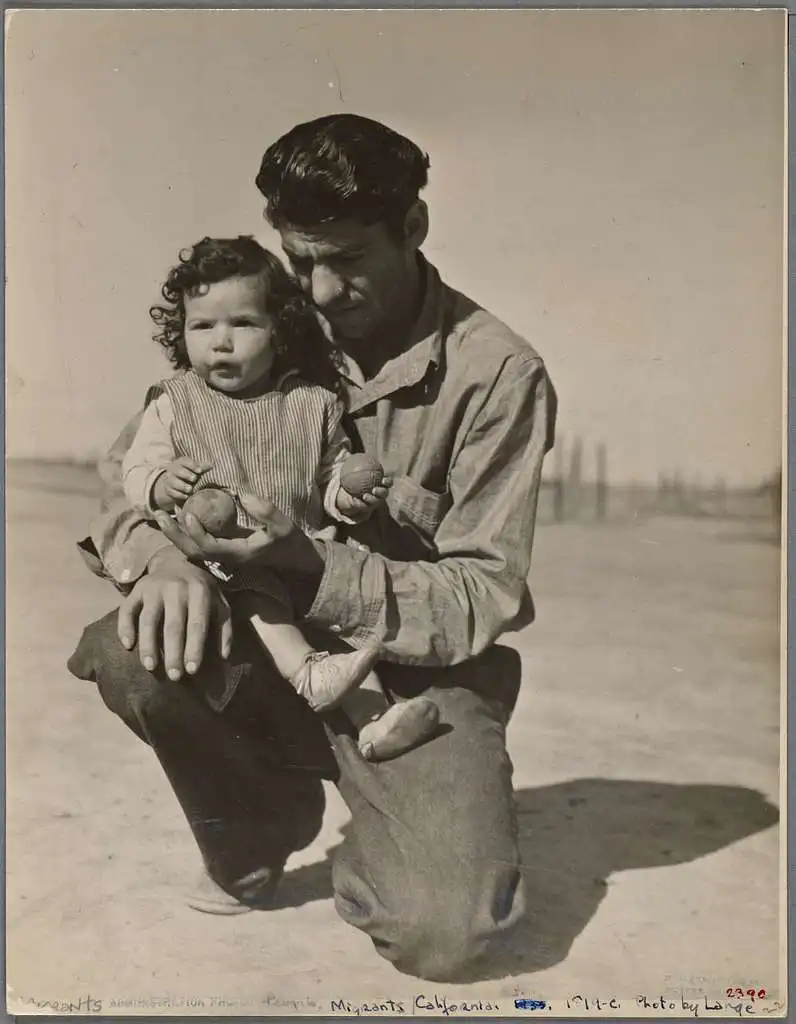
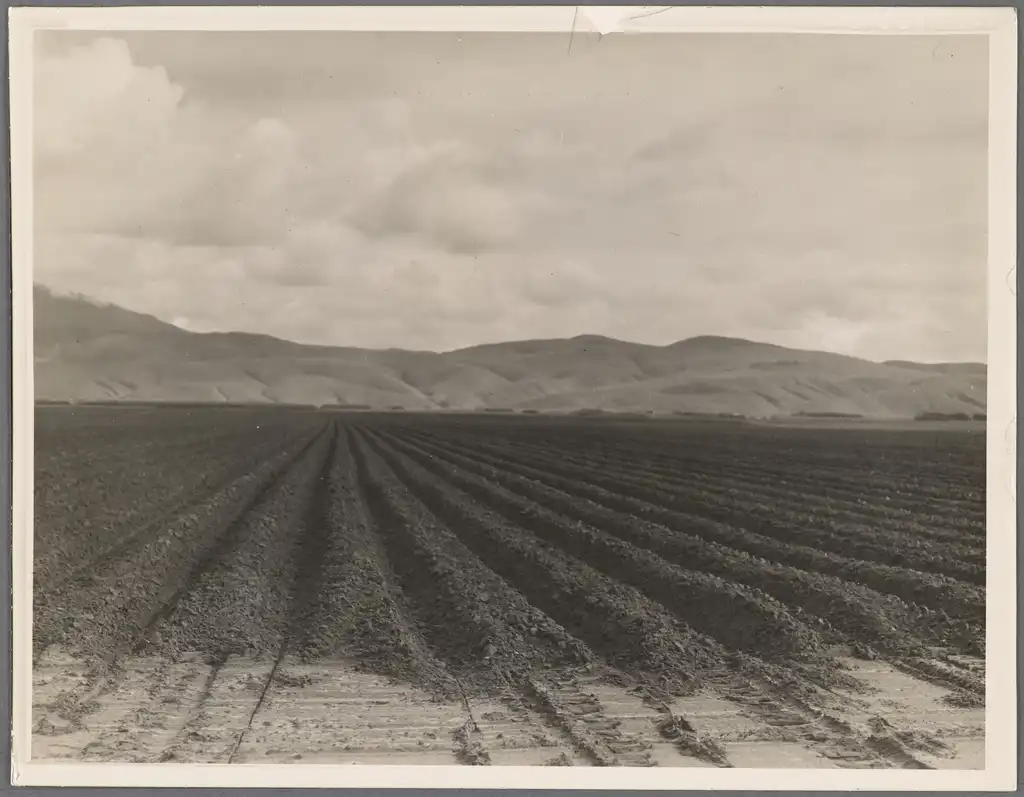
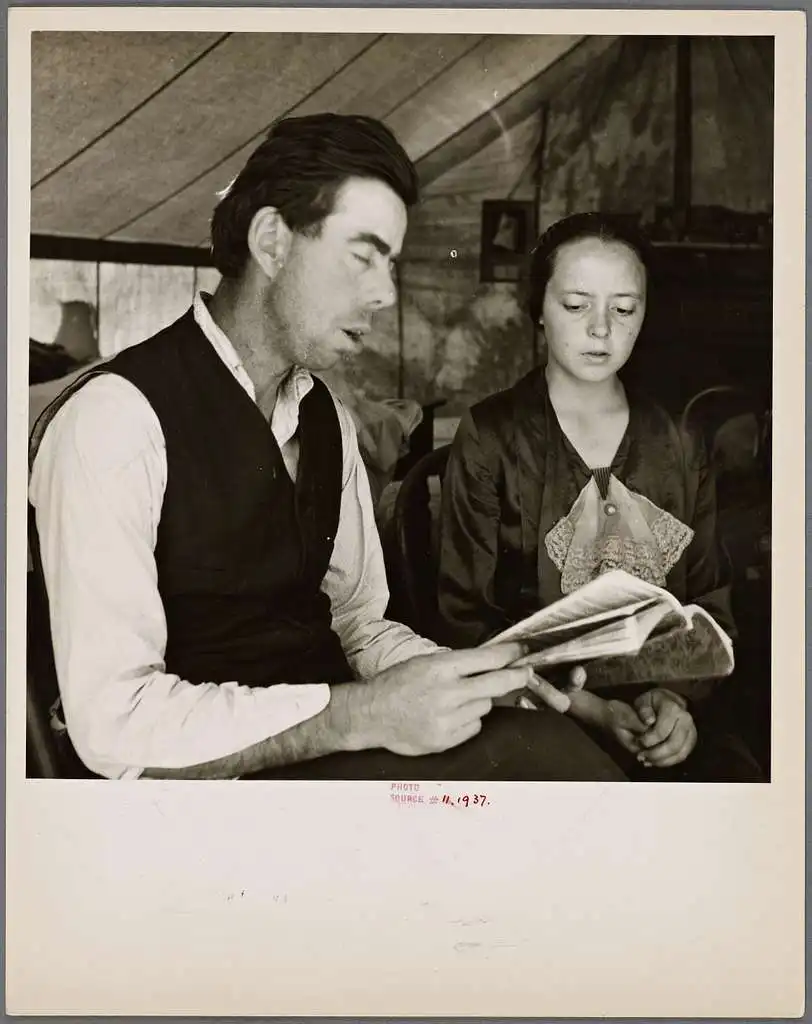
In the early 1930s, Lange turned her lens from the polished elite to the dust-stained laborers and displaced families who flooded into California. Working with the Farm Security Administration, she traveled the state’s fields and towns, capturing the lives of migrant farmworkers.
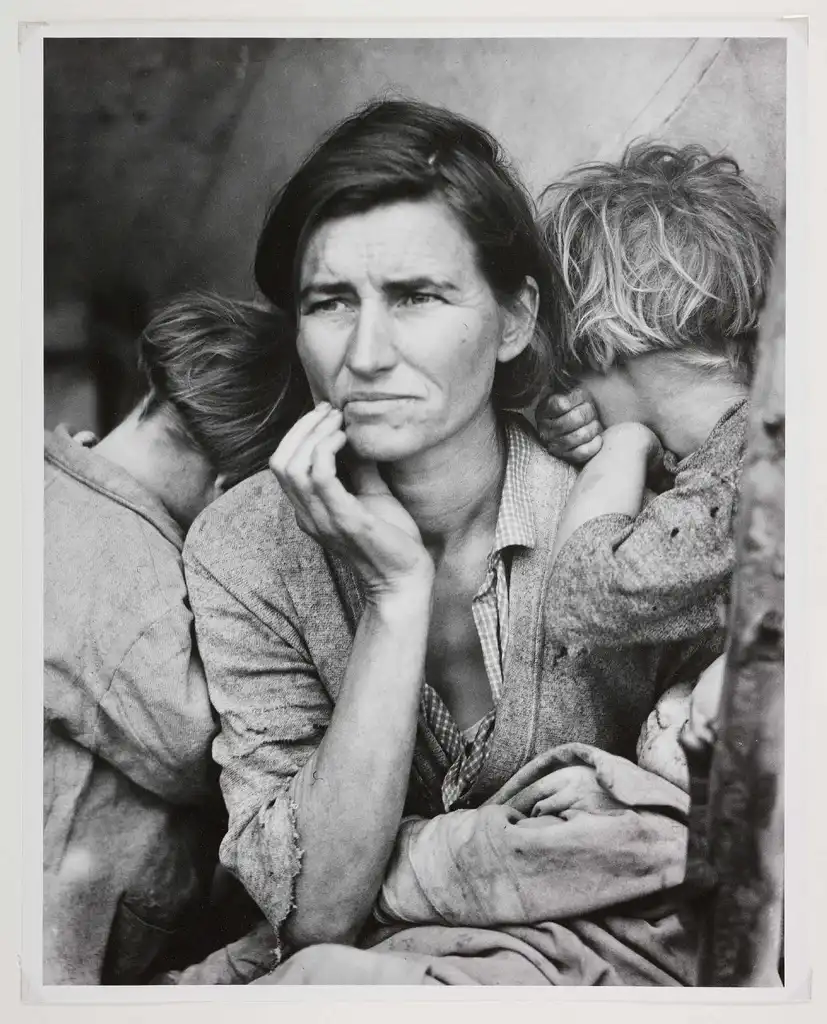
Her most famous photograph, “Migrant Mother” (1936), was taken in Nipomo, California. It shows Florence Owens Thompson, a mother of seven, her eyes worried and tired, children leaning into her as if to shelter from a storm that was more economic than natural. That single image did what statistics and government reports could not—it made America see.
A Witness to Injustice
Lange’s camera was not only an instrument of beauty but of conscience. During World War II, she documented the forced removal and incarceration of Japanese Americans. Though many of her photographs were suppressed at the time, they survive today as stark reminders of how fear can trample justice.
Later, she photographed the rural poor, postwar boomtowns, and even international struggles, always with the same quiet intensity: a belief that the overlooked had stories worth telling.
Dorothea Lange’s Legacy in California and Beyond
Dorothea Lange died in 1965, but California has never let her go. The Oakland Museum of California holds the largest collection of her work, keeping her images alive for new generations. Her photographs are studied not only as art but as social history, evidence of how one woman with a camera changed the way a nation understood itself.
She was, in every sense, a California Dreamer—someone who came west not just to build a life, but to build meaning. Her dream was not gold or glamour. It was truth.
Dorothea Lange (1895–1965): Photographer, truth-teller, and California Dreamer whose work still reminds us to look closer at the humanity around us.